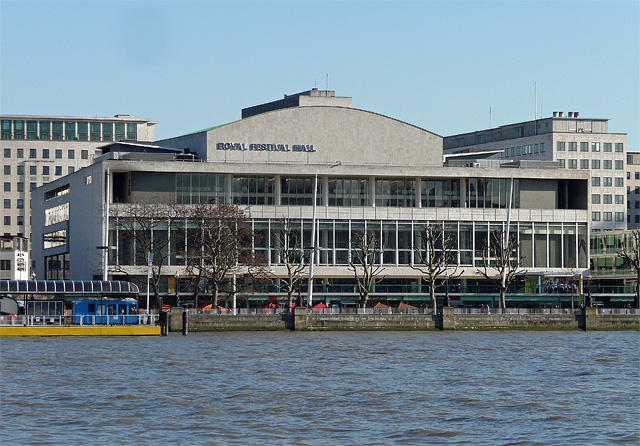
On 22 February 2026 the EE BAFTA Film Awards took over the Southbank Centre's Royal Festival Hall again, this time with Alan Cumming hosting and a slate of nominees that felt unusually concentrated. One Battle After Another led both the nominations and the eventual wins, Hamnet flew the flag for British cinema and Sinners broke records for a Black director at the awards. From a UK perspective the night said as much about where British film sits inside a global industry as it did about individual trophies.
One Battle After Another at the top of the card
The headline story was One Battle After Another, which went into the ceremony as a frontrunner and left with six awards, including Best Film and Best Director for Paul Thomas Anderson. The film is not British in the same way that Hamnet is, yet its sweep at BAFTA matters to the UK because it frames what kind of large scale, director-led work the organisation wants to highlight. When a film with that much weight and formal ambition is rewarded in London, it nudges British funders and studios to think seriously about backing similarly uncompromising projects at home.
For audiences in the UK, especially those following awards season closely, One Battle After Another winning in London also sets expectations for where the Oscars might land. BAFTA has long been seen as a bellwether for the American ceremony, which means that the conversations happening in British cinemas and group chats between now and the Academy Awards revolve around a film that British voters have already endorsed. In that sense you can see the Best Film win as part of a larger feedback loop between UK critics, voters, journalists and the global award machine.
Hamnet and the role of British stories
If One Battle After Another defined the night on a macro level, Hamnet did the same for British film. Chloé Zhao's adaptation of Maggie O'Farrell's novel took Outstanding British Film and arrived at the ceremony with what press reports described as a record number of BAFTA nominations for a film directed by a woman. Jessie Buckley won Leading Actress for her performance, giving the production a high profile acting win as well as the institutional nod in the British category.
The combination of Zhao in the director's chair and Buckley at the centre of the cast tells you something important about how the UK industry currently sees itself. A British story rooted in Shakespeare's family life is being told by an Oscar winning Chinese-born director who has worked extensively in America, while the performance at its core comes from an Irish actor whose career has moved fluidly between independent film, prestige television and stage work. British cinema in 2026 is clearly comfortable with this kind of cross border collaboration, and BAFTA's voters have backed that direction.
Sinners makes history
The other major narrative in the winners list was Sinners, directed by Ryan Coogler. The film became the most nominated BAFTA title ever directed by a Black film-maker, and on the night it converted those nominations into several significant prizes, including Original Screenplay and Supporting Actress for Wunmi Mosaku. That combination of a high nomination count and tangible wins matters because it changes what future British campaigns for Black directors and casts can point to when they talk about precedent.
For UK audiences and film-makers, Sinners sits at the intersection of several conversations. It shows that BAFTA voters are prepared to embrace work by a Black director who has already proved his commercial clout in Hollywood, and it places a British Nigerian actor like Mosaku at the centre of a historic moment in London. That sends a message to casting directors, financiers and festivals about which stories and performers are now seen as awards material, not just as box office draw or critical favourites.
Robert Aramayo's double and I Swear
One of the most striking individual arcs of the night belonged to Robert Aramayo. The British actor won Leading Actor for I Swear and also took the EE Rising Star Award, voted for by the public. According to EE and BAFTA coverage he became the first performer to win both trophies in the same year, which instantly positioned him as one of the key UK names to watch across film and television.
I Swear also picked up Best Casting, underlining how important the ensemble was to its impact. From a UK perspective, Aramayo's double win hits on two fronts. It validates his existing work for industry insiders paying attention to casting notes, and it also introduces him more clearly to the wider public who might only have a passing interest in the BAFTAs. When the same name is read out for a juried acting prize and a public voted category, it suggests a rare overlap between critical and popular enthusiasm.
Acting categories and a broad field
The rest of the acting categories underlined how international the BAFTAs have become while still having a strong British thread. Alongside Buckley's Leading Actress win and Aramayo's Leading Actor award, Sean Penn took Supporting Actor for his role in One Battle After Another. Wunmi Mosaku's Supporting Actress win for Sinners ensured that a British performer was present in both supporting and leading conversations, and her trajectory from UK television into prominent film work fits a pattern that many actors in Britain now follow.
For people watching from the UK the acting slate reinforced the idea that British talent now moves freely between national and international projects, and that BAFTA voters are comfortable rewarding that movement. A British actor can win for a film that might not have originated in the UK system, just as an international star can take home an award for work that British audiences have primarily experienced in multiplexes rather than at festivals. The lines between British and global are blurred enough that what matters most is the work on screen.
Craft awards and the British crews behind big images
Away from the headline categories, the 2026 ceremony also scattered honours across craft departments that are crucial to the health of the UK industry. Frankenstein picked up prizes in Costume Design, Production Design and Make Up and Hair, underlining how much work goes into building a coherent visual world on screen. For British crews and studios, those wins add weight to arguments about tax relief, training and investment in below the line roles.
It is easy for awards coverage to focus almost entirely on acting and directing, yet for the UK in particular the long term health of the film business depends on the workshops, prop houses, post production facilities and hair and make up departments that support every project shot here. When a film like Frankenstein is singled out in those categories at a high profile ceremony, it becomes easier for advocates to point to concrete achievements when they lobby for support from government or private investors.
What the 2026 BAFTAs say about UK film
Put together, the results from the 2026 BAFTA Film Awards paint a picture of a British film ecosystem that is deeply entangled with global cinema but still keen to honour its own stories. One Battle After Another represents the large scale international production that BAFTA wants to be part of. Hamnet shows that British source material can be reimagined by a director who works across borders and still feel like a home story. Sinners confirms that work by Black film-makers is not only being nominated but winning in key categories. I Swear and Robert Aramayo's double win highlight how quickly a British actor's profile can rise when industry and audiences line up.
For the UK this means that the films people see on screens in 2026 are linked into a wider conversation that runs through awards ballots, festival programming and streaming algorithms. When BAFTA voters gather at the Royal Festival Hall and choose a set of winners like this, they are also choosing which titles will be pushed to the top of watch lists on British platforms, which posters will stay up longest in independent cinemas and which names will be at the centre of development meetings for years to come. The ceremony lasts a few hours, yet the ripples from nights like this move through UK film culture for a long time afterwards.