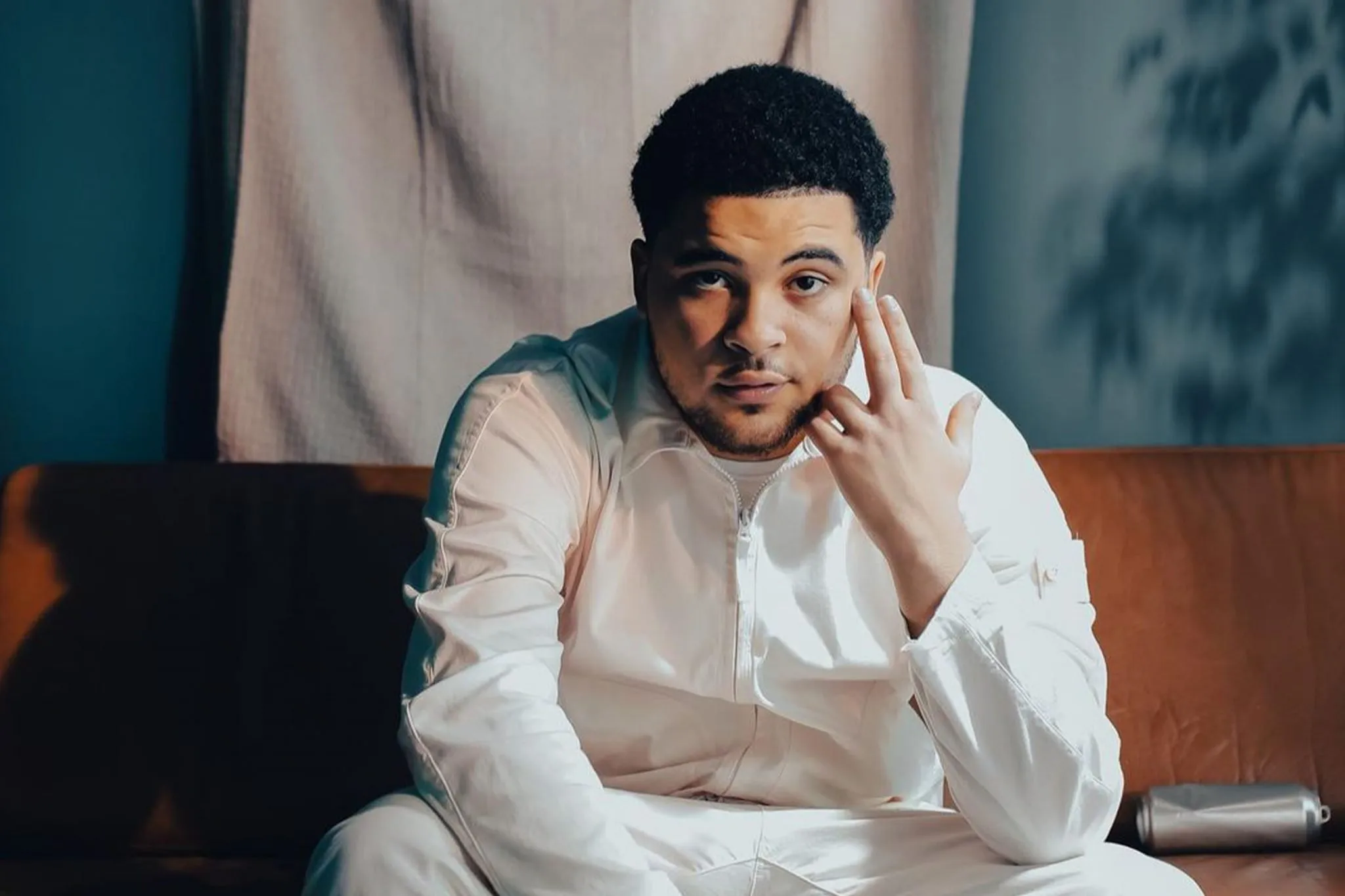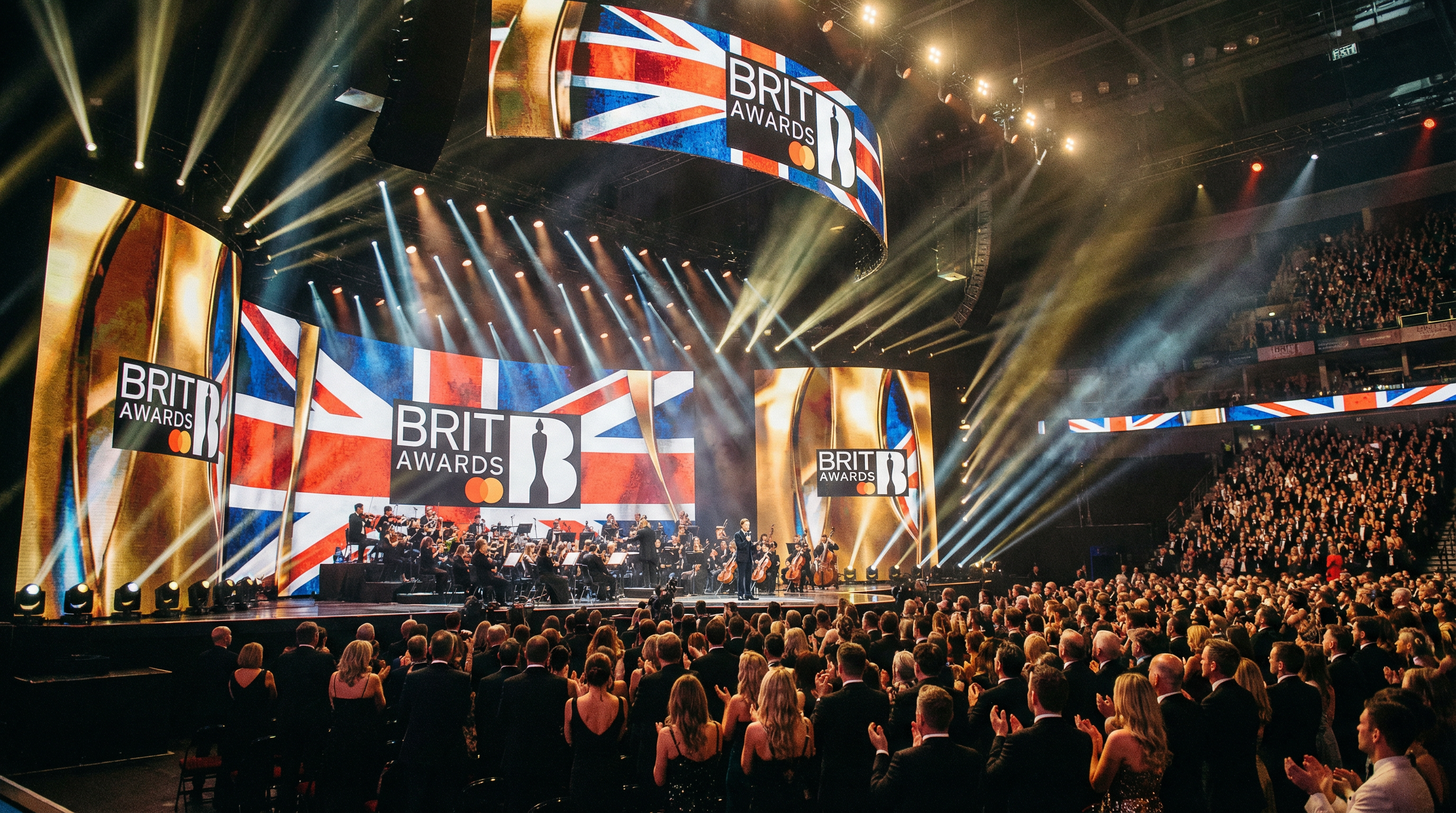
At the 2026 BRIT Awards in Manchester, PinkPantheress took home Producer of the Year - and made history twice over. She is the first woman to win the award since it was introduced in 1977, and at 24, the youngest ever recipient. The only other woman ever nominated was Kate Bush, back in 1989. This year, the trophy went to someone who learned production from YouTube, recorded early tracks on a Nintendo Wii karaoke mic and a sock, and turned bedroom pop into global hits.
The Producer of the Year BRIT has always been the category that rewards the people behind the desk: the ones shaping how records sound, not just who's on the mic. Past winners read like a who's who of UK production - Sir George Martin, Trevor Horn, Brian Eno, David A. Stewart, Calvin Harris, Chase & Status. Until 2026, every single one was a man. PinkPantheress's win doesn't just add a new name; it changes who the award is for.
The tracks that built the win
The academy cited a body of work that runs from viral singles to full-length projects. "Boy's a Liar" - which she wrote and produced with Mura Masa - became a worldwide hit in 2023, blending dance-pop, bubblegum and synth-pop with Jersey club rhythms; the "Boy's a Liar Pt. 2" remix with Ice Spice only widened the reach. That same year she released her debut album Heaven Knows, and in 2025 the mixtape Fancy That went top 10 and landed a Mercury Prize nomination - the kind of project the BRITs committee clearly had in mind when they looked at "Producer of the Year."
On Fancy That you hear what the BRITs were rewarding: skittering breakbeats, sugar-strand melodies and a production style that feels both intimate and huge. Tracks like "Illegal," "Stateside," "Girl Like Me" and "Tonight" sit in that space between bedroom demos and arena-ready clarity. She's talked about wanting the mixtape to sound "big and grand and present" - and that's exactly the kind of ambition the Producer of the Year award is meant to recognise: not just writing hooks, but building the whole world around them.
Earlier cuts matter too. The breakthrough mixtape to hell with it (2021), the Take Me Home EP, and singles like "Pain," "Just for Me" and "Break It Off" established a sound that's recognisably hers: soft vocals over crisp, sometimes nostalgic drum programming, nods to UK garage and drum and bass, and a pop sensibility that caught fire on TikTok and then far beyond. She was BBC Sound of 2022; five years on from posting those first lo-fi clips, she's holding a BRIT.
Past winners - from Calvin Harris to Chase & Status
Producer of the Year has always pointed at the people defining how UK music actually sounds. Sir George Martin and Trevor Horn set the template for decades of British pop and rock. Brian Eno and David A. Stewart pushed production into art and experimentation. More recently, Calvin Harris won in 2019 after 16 nominations over 10 years - the Dumfries-born producer and DJ had already shaped a decade of dance-pop and crossover hits; that same night he also took British Single of the Year with Dua Lipa for "One Kiss." Chase & Status have represented the bridge between drum and bass, club and chart. What every winner has in common is a mix of hit-making and sonic identity - you can hear who's in the room.

PinkPantheress fits that line in one sense: she has hits, and her production is instantly identifiable. But she's the first winner who came up entirely in the DIY, social-first era - no major studio apprenticeship, no traditional A&R path. She learned on YouTube at 17, built a following from short-form clips, and turned that into a production language that the BRITs have now officially recognised. For a generation of producers working in bedrooms and small setups, her win is a clear signal: the award can go to someone who started exactly where they did.
First woman, youngest winner - what it means
That Kate Bush was the only other woman ever nominated, 37 years ago, says something about how slowly the industry has shifted. Producer of the Year has been a male-dominated category by design: the names in the room, the networks, the "who you know" have often excluded women and non-binary producers. PinkPantheress's win doesn't fix that on its own, but it does change the reference point. The next time a young woman or non-binary producer is in the running, there's a precedent - and a winner whose story started with a Wii mic and a sock.
It also reframes what "Producer of the Year" can look like. She's an artist-producer: she writes, sings and produces her own material, and the award is for that whole picture, not just behind-the-scenes work for other acts. The BRITs have effectively said that the kind of music she makes - intimate, genre-blurring, internet-native, unapologetically pop - is exactly what UK production excellence looks like in 2026.
For everyone watching at home - especially anyone making beats in a small room, learning from tutorials, or posting tracks before they feel "ready" - her speech and that trophy are a reminder that the details still matter. The way a snare decays, the choice to leave a vocal slightly raw, the decision to let a bassline nod to sound system culture: that's what makes a record feel rooted, and that's what the BRITs just put on the biggest stage in UK music.