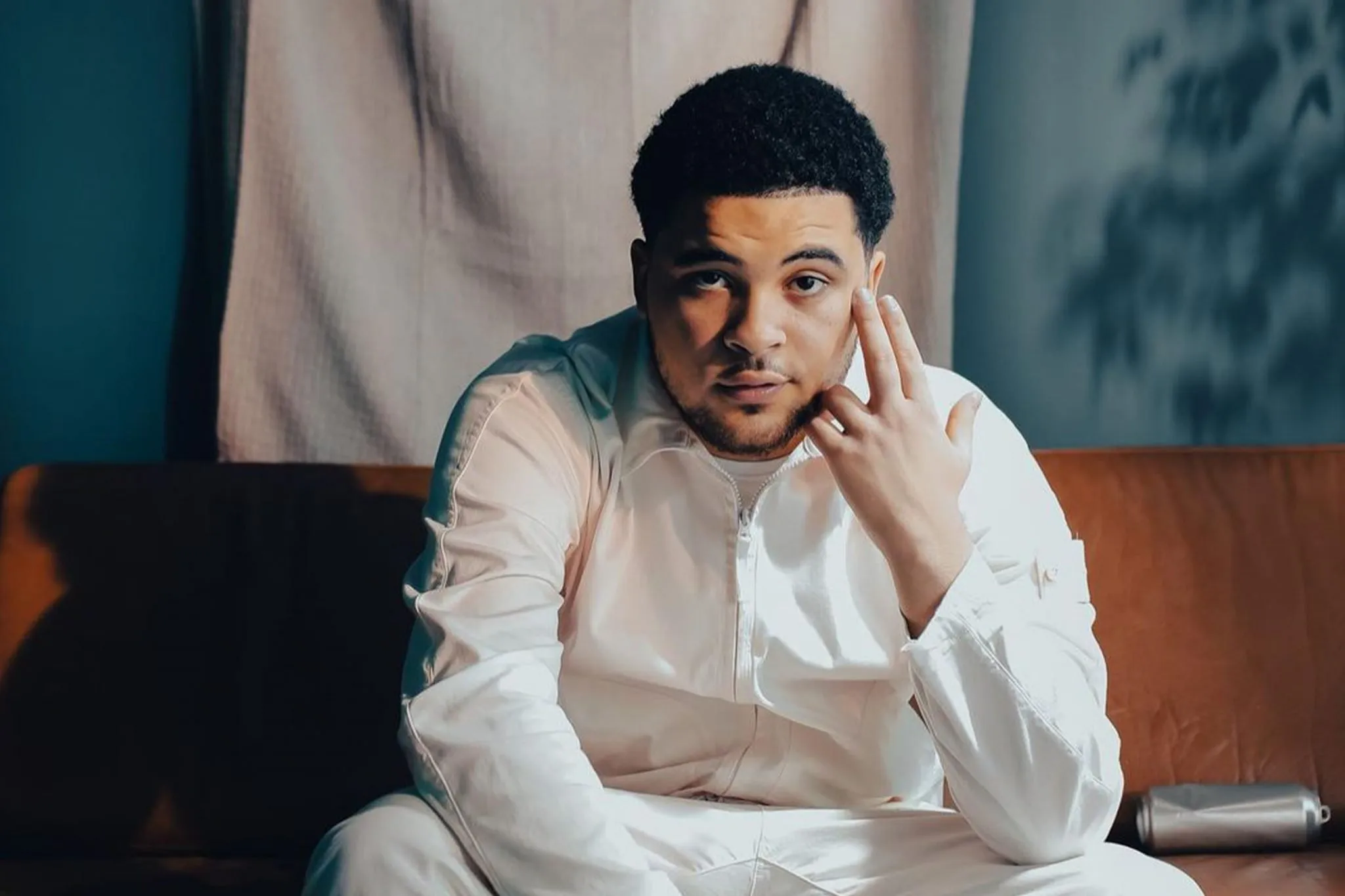
Dave - David Orobosa Omoregie - has been one of British rap's most consistent and ambitious voices since "Thiago Silva" and "Wanna Know." But it was "Black," the 11-minute closing track on Psychodrama, that announced him as something more: a songwriter who could hold the BRITs stage, the Mercury Prize and the moral high ground at once.
Streatham-born, Nigerian heritage, piano-trained - Dave's music blends drill, R&B and raw storytelling. Tracks like "Location" with Burna Boy and "Starlight" showed he could do crossover without losing the message. We're All Alone In This Together and the long-awaited follow-ups have kept the bar high: political, personal, and unafraid to go long.
From Streatham to the spotlight
Dave's early work caught attention for its technical skill and emotional depth. "Thiago Silva" with AJ Tracey was a cult hit; "Wanna Know" and "100M's" showed he could do bangers as well as introspection. But it was the debut album that changed everything. Psychodrama, released in 2019, was framed as a therapy session - and it lived up to the concept. Tracks like "Streatham," "Location" and "Disaster" explored family, identity and the weight of success; "Black" was an 11-minute meditation on race, identity and British history that became one of the most discussed songs of the year. The album won the Mercury Prize and the BRIT for Album of the Year, and Dave became the face of a new kind of British rap: ambitious, album-led and unafraid of the big questions.
We're All Alone In This Together followed in 2021 with even more scope. "Clash" with Stormzy was a moment; "Verdansk" and "In the Fire" showed he could hold his own with the biggest names. The record went number one and confirmed that Dave wasn't a flash in the pan - he was building a catalogue that would define the decade. The long gaps between projects have only increased the anticipation; when he drops, the whole country listens.
Piano, politics and production
What sets Dave apart is the range. He's a pianist, a producer and a rapper; he can do drill, R&B, afrobeats and straight-up pop. His collaborations - with Burna Boy, with Stormzy, with international stars - have never felt like features for the sake of it; they've felt like conversations between equals. The production on his records is often sparse but impactful: space for the lyrics to breathe, and for the emotion to land. He's also been willing to go long - "Black" and other tracks run well past the three-minute mark, and the albums are meant to be heard in full. In an era of playlists and skip culture, that's a statement.
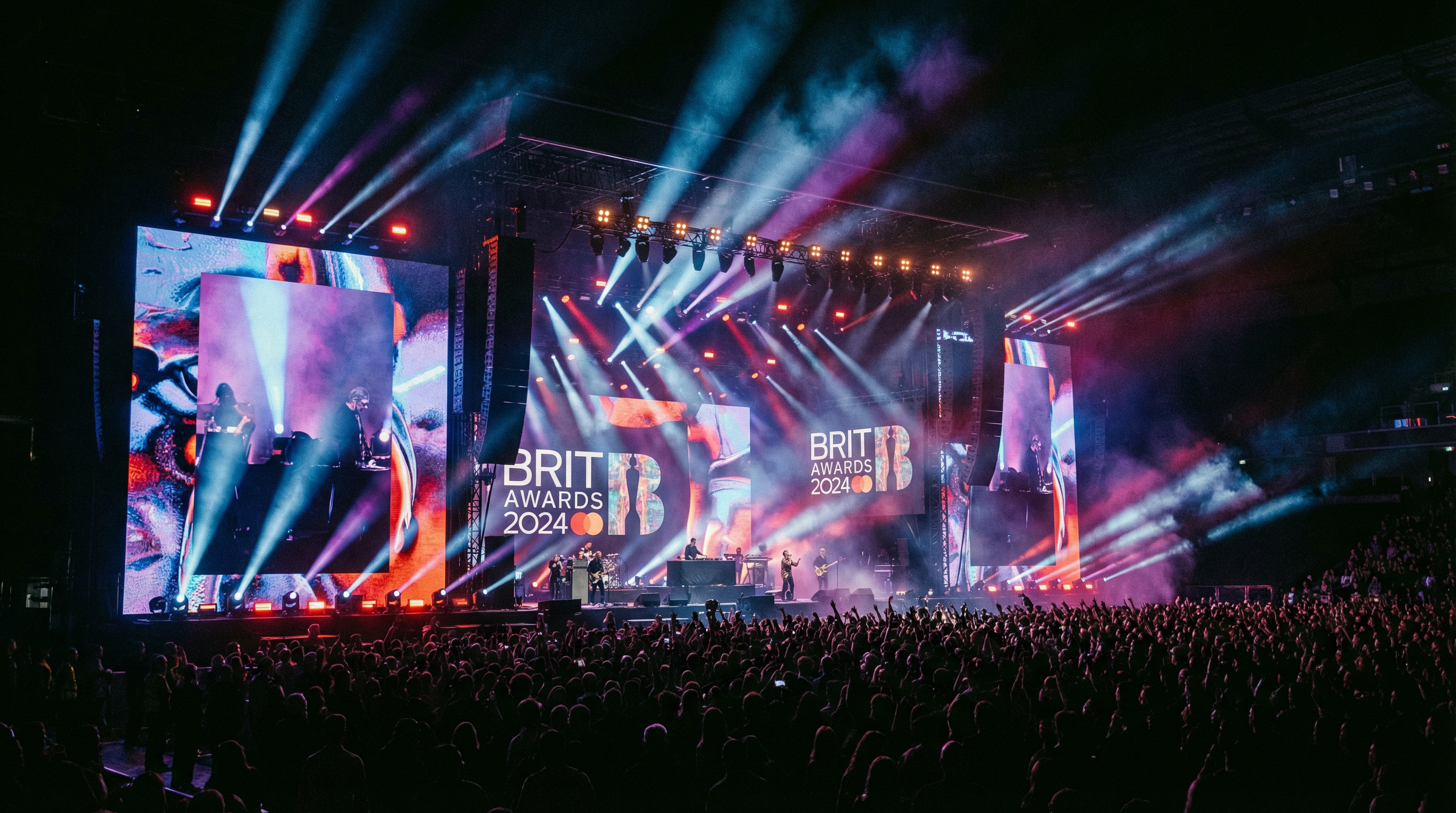
Politically and personally, he's stayed engaged. "Black" addressed systemic racism and British history; his BRITs performance brought the issue to prime time. He's spoken about mental health, about his family and about the responsibility that comes with platform. That combination of artistry and conscience has made him one of the most respected figures in UK music - and one of the most anticipated when it comes to new releases.
The next chapter
For UK rap, Dave is proof that the biggest stages don't require the smallest ideas. He's taken British rap to arenas and awards shows without ever sounding like he's chasing them. The next chapter - whenever it lands - will be one of the most anticipated in British music. Until then, the catalogue speaks for itself: one of the most important bodies of work in modern British rap, and a blueprint for anyone who wants to make music that matters.