Luxury is still argued over through fashion, film, members’ clubs and the rest of culture - but several people on the panel were pushing the same correction. What reads as luxurious is less often the logo stitched onto something than the depth of the story behind it: a narrative no one else can tell in quite the same way, rooted in real craft, place and intention. When visuals and copy can be generated in seconds, that distinction matters - signal shifts from “who owns the mark” to “who can stand behind what they’re putting out.”
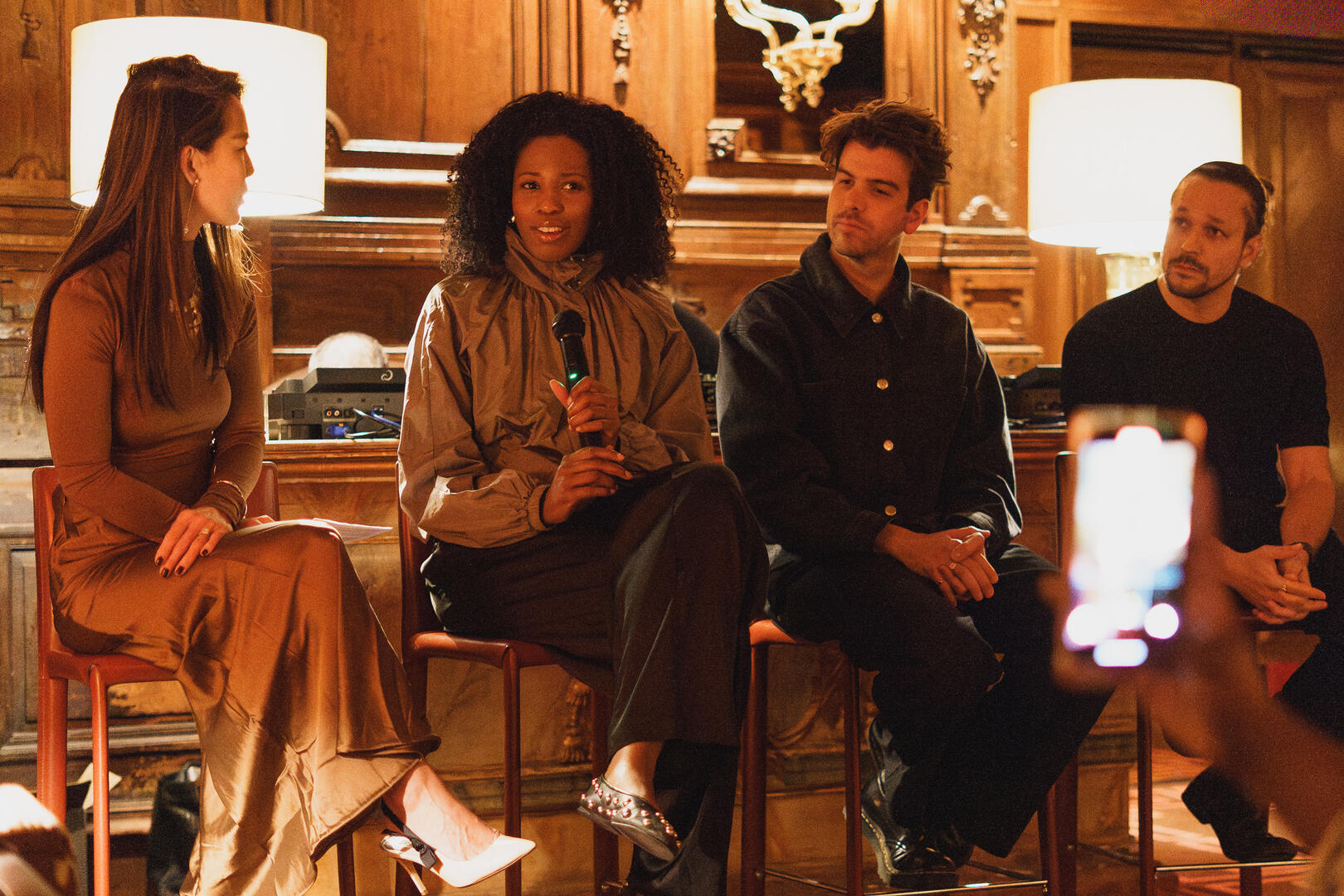
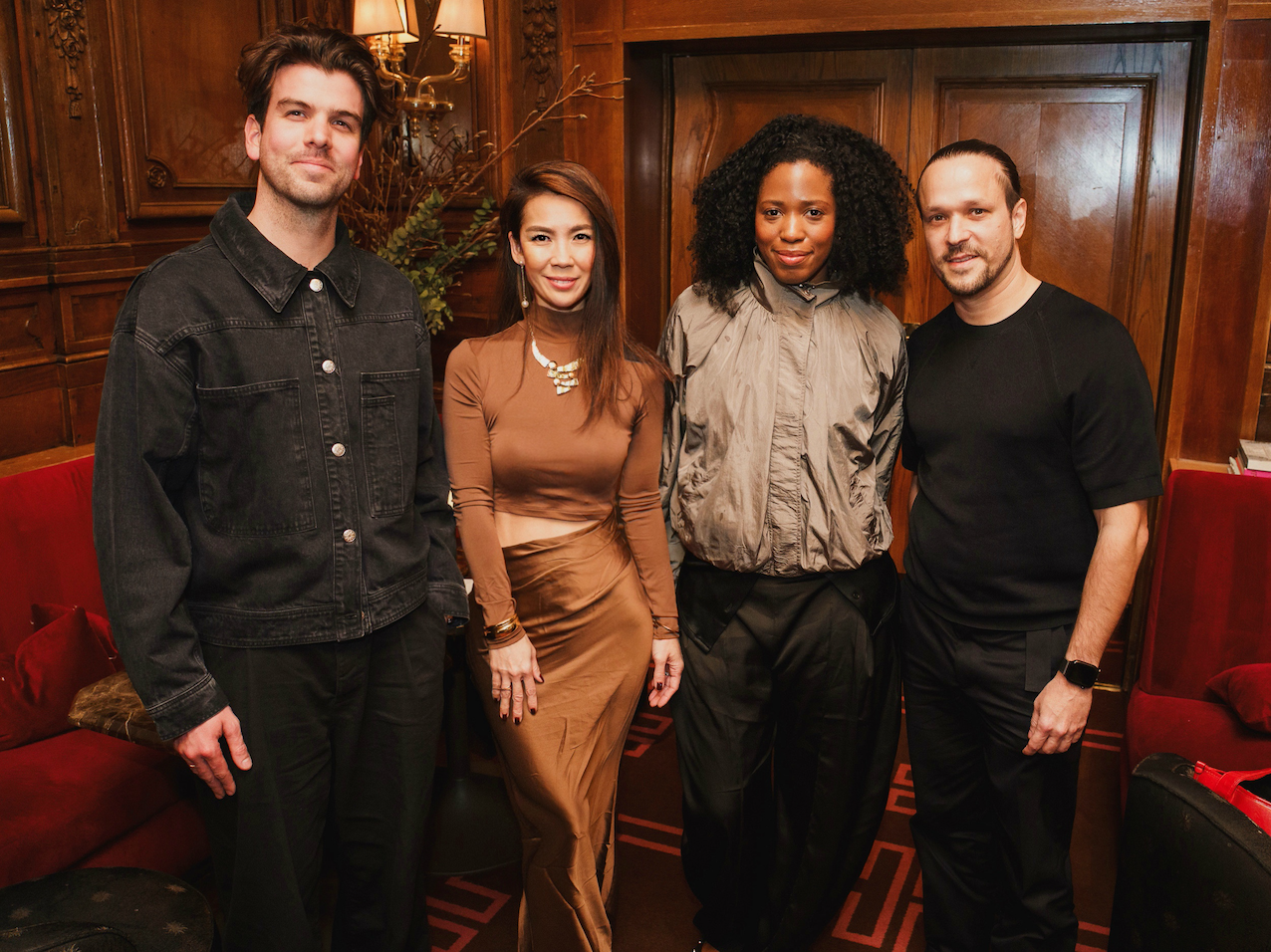
That was the tone at Tramp, the private members’ club in St James’s, where Issa PR held its Future of Luxury London session this March. Viet N’Guyen, founder and chief executive of Issa PR, moderated. The agency works in luxury PR and brand strategy. The conversation that followed was not really about keeping people out - it was about what still feels valuable when badges are easy to mimic and the interesting question becomes whether a brand, a film or a venue can offer a story that actually holds up.
What the panel actually talked about
Bianca Saunders, designer and creative director, pressed the fashion-and-culture angle hardest: luxury is not reducible to the logo you wear, she argued, but to the story you elect to tell and the culture you contribute to. She was talking about a scene you help shape with other people - taste as participation, not a crest you purchase to wear.
Nic Monisse, design editor at Monocle, lined up with that from an editorial and design perspective. People want to know a story, he suggested - to feel part of something unique, with the kind of narrative only they get to own. The appetite is for distinction you cannot photocopy, whether that lives in a garment, a space or a publication.
Felipe Franco, whose work spans film and major brand storytelling, widened the frame to the tools now in everyone’s hands. In a world where almost anyone can create with AI, he argued, what you choose to tell matters more than whether you can produce something slick. The harder part becomes picking the story that actually fits - and making it believable - not stacking more content.
Luca Maggiora, owner of Tramp (and behind the club’s push into wellbeing with Tramp Health), described how he invests in that idea in practice: he meets every prospective member for a coffee before they join, so the club’s story - its atmosphere and culture - stays coherent rather than diluted. The point he seemed to be making was less about status and more about alignment: a shared understanding of what the place is for, told person to person instead of through a logo on the door.
What ties it together
None of the four were making the same speech, but the overlap was clear: story over badge; when anyone can generate slick content, what you actually mean to say beats how much you churn out; and a narrative only you can credibly tell - through fashion, editorial, film or how a room carries itself. Luxury, in that light, is not the mark you buy into; it is whether what sits behind the mark is specific enough, and lived enough, that nobody else could paste their name on it and get away with it.