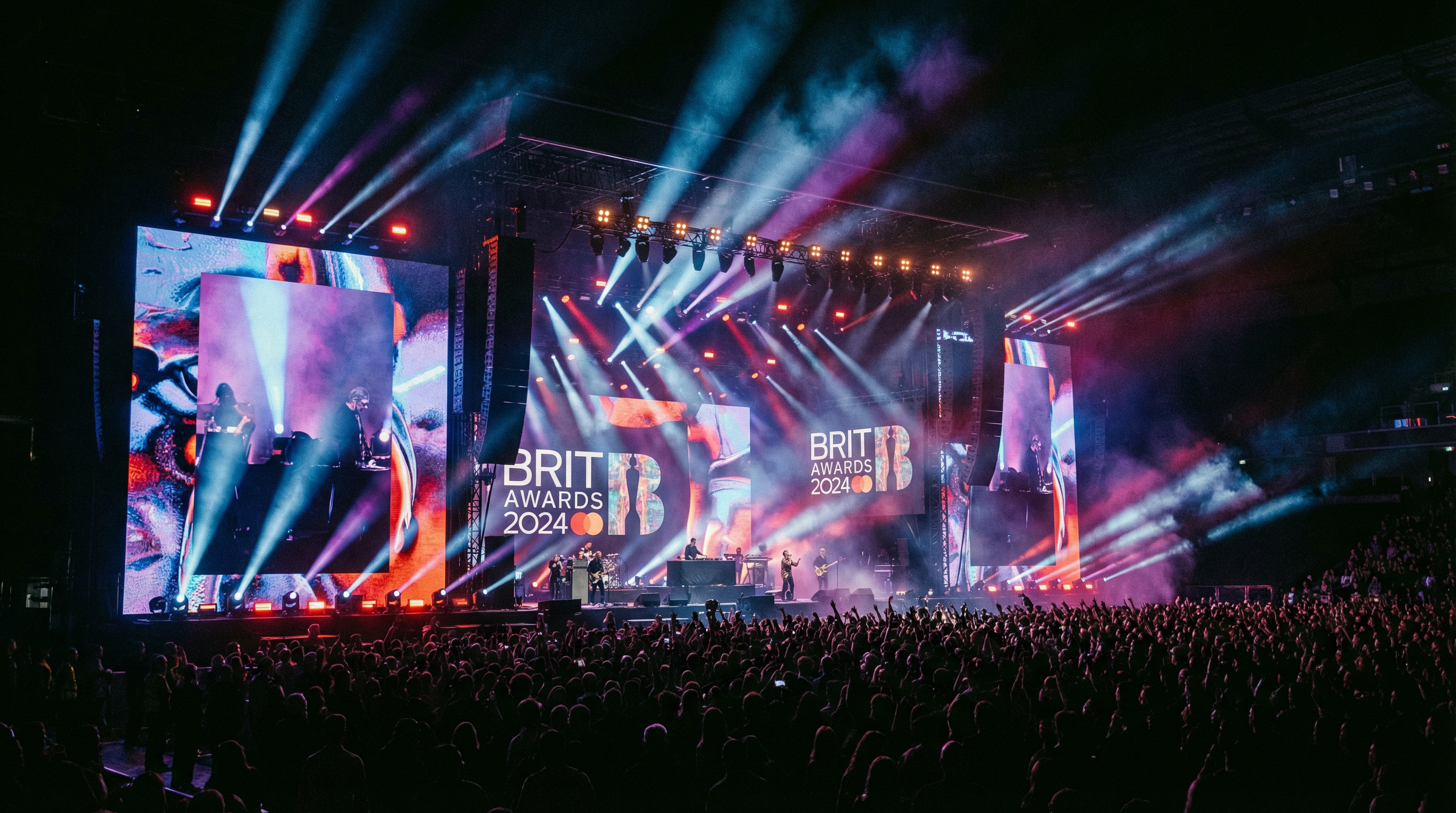
British festival season is more than a calendar - it's a snapshot of who's winning. Glastonbury headlines still define careers; Reading & Leeds and Wireless tell you where rap and pop sit; Parklife, Boardmasters and a hundred smaller festivals fill the gaps. In 2026, the spread is wider than ever: drill, afrobeats, indie, electronic and pop all have their stages.
The headliners reflect that. UK rap and drill are no longer "other" stages - they're main stages. Afrobeats and amapiano have dedicated days. Guitar bands are holding their ground. The result is a festival landscape that actually looks like British music: diverse, genre-fluid and impossible to reduce to one sound.
The big ones: Glastonbury, Reading & Leeds, Wireless
Glastonbury remains the peak. A Pyramid Stage headline slot is still the moment that defines a career - and the conversation about who gets it says a lot about the state of British music. In recent years, the festival has embraced rap, pop and electronic headliners alongside rock and legacy acts; the 2026 lineup will be watched for who gets the call. Reading & Leeds have long been the home of guitar music and rap's crossover; the dual-site format means two headline crowds and a mix of genres across the weekend. Wireless has become the premier UK rap and R&B festival, with a lineup that reflects the dominance of drill, afrobeats and pop-rap. The headliners there are often the same names topping the charts - and the festival has become a must-play for any British rap act with ambitions to fill fields.
Beyond the big three, the landscape is vast. Parklife in Manchester has grown into one of the UK's biggest festivals, with a focus on dance, rap and pop. Boardmasters in Cornwall mixes surf culture with a strong lineup. Latitude, All Points East, TRNSMT in Glasgow and a host of smaller events - from Green Man to End of the Road to the countless one-dayers - mean there's something for every taste. The key trend in 2026 is diversity: no single genre dominates, and the best lineups offer a bit of everything.
Who's headlining and why it matters
The headliner conversation is always contentious. Who deserves the slot? Who will sell the tickets? Who represents the moment? In 2026, the answers are more varied than ever. UK rap acts that would have been "other stage" material a decade ago are now legitimate headline options. Afrobeats and amapiano have their own dedicated festivals and stages within the bigger events. Guitar bands are still in the mix - the success of acts like Sam Fender and Idles has seen to that - but they're sharing the top line with rappers, pop stars and electronic acts. The result is a festival season that actually reflects what British people are listening to: not one sound, but many.
For artists, festivals are still the best way to reach new fans and prove they can hold a field. A great festival set can define a summer; a bad one can haunt you. For fans, 2026 is the year to catch the next big thing before they're too big for the tent - and to see the established names in the setting they were made for. We'll be there - and we'll be reporting back.
We'll be there
For artists, festivals are still the best way to reach new fans and prove they can hold a field. For fans, 2026 is the year to catch the next big thing before they're too big for the tent. We'll be there - and we'll be reporting back.