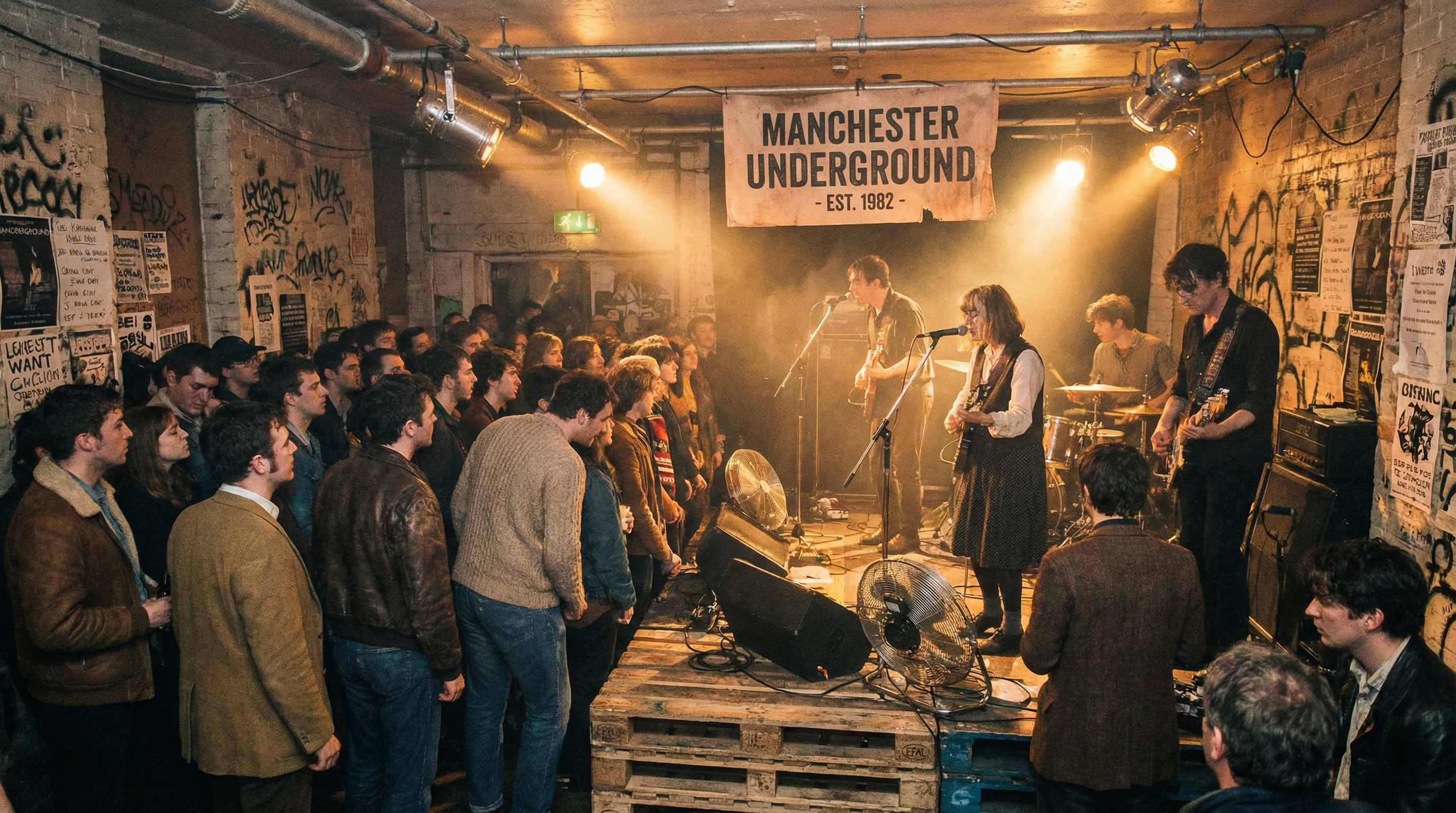
Every time a small venue closes, a pipeline breaks. Grassroots spaces - the 100-500 cap rooms where artists play their first headline shows, where scenes are built and where the next Stormzy or Idles gets their start - are under threat. Rising rents, noise complaints, licensing battles and the long tail of the pandemic have pushed many to the edge. The Music Venue Trust and campaigns like #SaveOurVenues have drawn attention, but the trend is still heading the wrong way.
The impact isn't abstract. Without small rooms, there are fewer places to tour, fewer chances to build a fanbase and fewer spaces for communities to gather. The UK's reputation as a music nation is built on that ecosystem. If it shrinks much more, the next decade of British music will be poorer for it.
Why grassroots venues matter
The story is familiar but no less urgent. Small venues are where artists learn to perform, where fans discover new music and where scenes are built. The 100-500 capacity room is the step between the bedroom and the arena - and without it, the ladder breaks. Every major British artist has a story about a small room that gave them their first break: a support slot that led to a headline, a crowd that sang every word, a promoter who took a chance. When those rooms close, the next generation loses those opportunities. The impact isn't just on the artists; it's on the technicians, the bar staff, the promoters and the communities that gather around music. A venue is more than a business; it's a node in a network that holds the culture together.
The pressures are well documented. Rising rents in cities where property values have exploded have made it hard for venues to survive. Noise complaints from new residents who've moved in next to long-standing venues have led to restrictions and sometimes closure. Licensing and regulation can be costly and complex. The pandemic wiped out income for over a year and left many spaces in debt. Even as live music has returned, the economics remain fragile. The Music Venue Trust has been instrumental in documenting the crisis and advocating for change; their annual reports make for sobering reading. Dozens of venues have closed in recent years, and the rate shows no sign of slowing without intervention.
Fighting back: campaigns and policy
There are bright spots. The #SaveOurVenues campaign raised money and awareness during the pandemic. The Music Venue Trust's work has pushed the issue onto the political agenda. Some venues have been saved by community ownership models or by fans and artists rallying to their defence. In Scotland, the Agent of Change principle - which puts the onus on new developments to mitigate noise, rather than on existing venues - has been adopted; campaigners want to see it applied more widely across the UK. The idea that venues are cultural infrastructure, not just businesses, is gaining traction. The argument is simple: if you want a thriving music industry, you need the spaces where it's built.
What individuals can do is straightforward: go to shows, buy drinks, support the venues that are still there. Every ticket and every pint helps. For artists, choosing to play small rooms and to talk about their importance can make a difference. For fans, spreading the word and showing up matters. The fight is ongoing, and the outcome isn't guaranteed. ofmusica will keep covering it - and we encourage every reader to support their local venue while it's still there. The next Stormzy or Idles is out there, and they need a stage to stand on.
Support your local venue
There are bright spots: community ownership models, new legislation and a growing awareness that venues are cultural infrastructure, not just businesses. But the fight is ongoing. ofmusica will keep covering it - and we encourage every reader to support their local venue while it's still there. The next great British artist might be playing there next week.