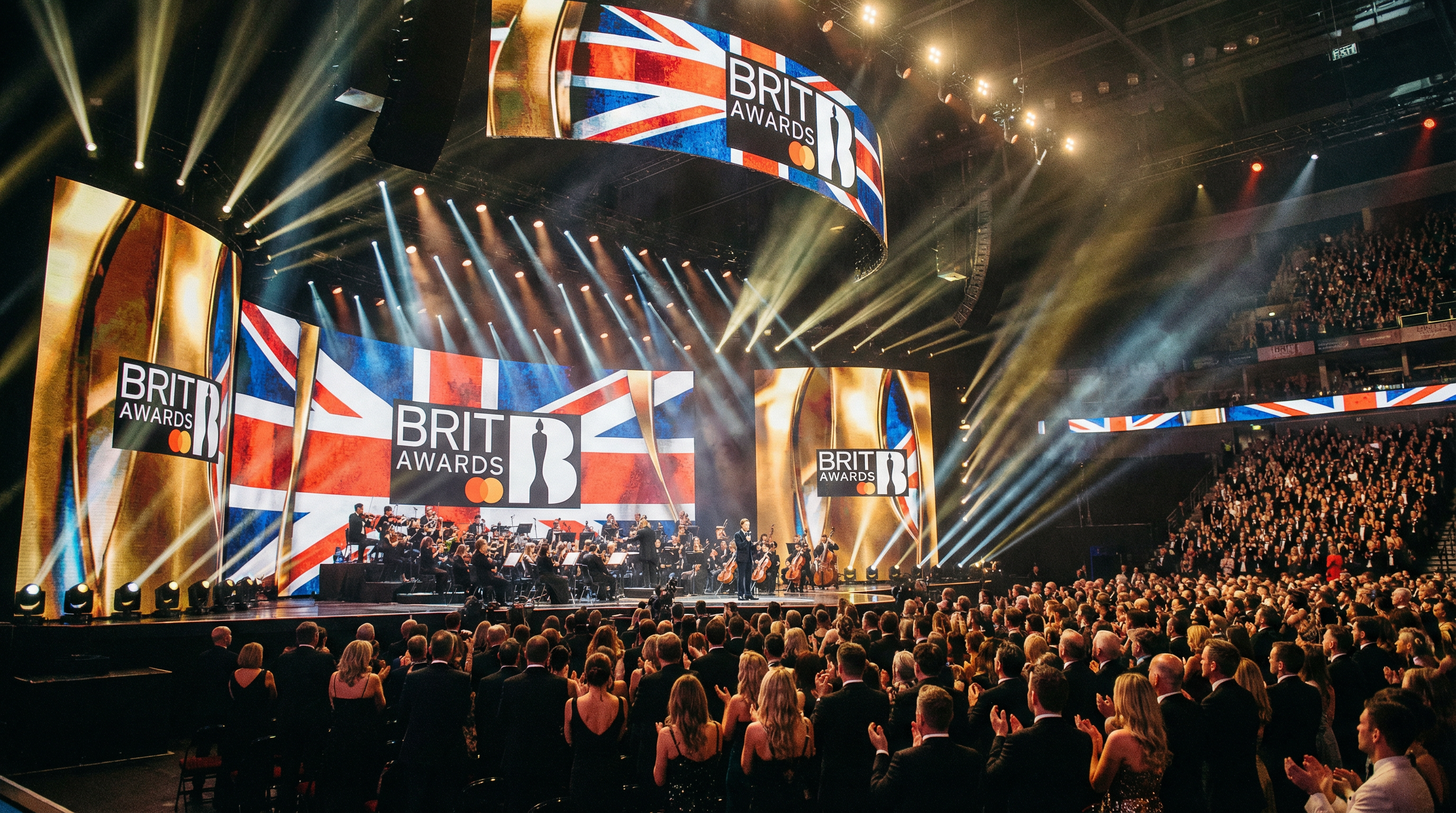
By the time the lights dropped inside Co-op Live in Manchester, you could feel the whole room holding its breath. The 2026 BRIT Awards had been trending all day, but being in the arena was something else entirely. When Harry Styles stepped out to open the show, the energy flipped from pre-show chatter to full-body focus - the kind of hush that only breaks when thousands of people scream at once.
Styles opened with "Aperture" from his upcoming album Kiss all the Time, Disco Occasionally, flanked by a choir and a line of dancers who seemed to orbit him rather than just back him up. Dressed in sharp Chanel pinstripes, he turned a huge TV moment into something that felt strangely intimate, like a club show with arena-scale lighting. Every time the cameras swooped over the crowd, you could see the same expression: a mix of disbelief and the sense that this was the performance people would be replaying in their heads on the way home.
Olivia Dean's night at the BRITs
As spectacular as the opener was, the night really belonged to Olivia Dean. She was already a favourite going in, but watching the awards stack up in real time felt like seeing a career shift gears right in front of you. When she collected the biggest of her trophies - Artist of the Year, alongside wins for Song of the Year and Album of the Year - the noise in the arena hit a different register. It wasn't just applause; it was a kind of collective “finally”.
Her performance of "Man I Need" cut through the usual award-show chaos. Live, her voice was rich and unforced, sitting comfortably over an arrangement that gave her space rather than swallowing her in production. There was a flicker of nerves - a quick smile between lines, a half-second where she seemed to clock the scale of it - but mostly she looked fully in control. Knowing she was walking away as the night's big winner, and as the artist currently defining UK pop on home turf, made it feel less like a breakthrough and more like a coronation.
Mark Ronson's tribute and the show-stealing medley
Later in the evening, the mood shifted from celebration to something closer to reverence for Mark Ronson and his Outstanding Contribution to Music moment. In classic Ronson fashion, he turned what could have been a simple acceptance into a full, meticulously staged medley. The centre of it all was a moving Amy Winehouse tribute, her voice threaded through new live arrangements that rolled across the arena like a memory being reintroduced rather than replayed.
Just when it felt like the segment had peaked, Dua Lipa descended on a giant disco ball, pulling the whole performance into full spectacle. A surprise verse from Ghostface Killah added a jolt of disbelief; around me, people were half shouting along and half laughing at how stacked the set list was. Ronson's segment worked because it wasn't nostalgia for its own sake - it was a reminder that UK music history is still being actively remixed in real time, by the same people who helped write it in the first place.
From the arena to the MoveGood BRIT after-party
You could have ended the night there and called it one of the strongest BRITs in years, but the story continued long after the broadcast wrapped. Leaving Co-op Live and spilling out into the Manchester night, it felt like the whole city was processing the same high. A few hours later, the focus shifted to a different room entirely: the MoveGood BRIT after-party, Manny Norté's now‑established celebration that has quietly become as anticipated as the ceremony itself.
Inside, the atmosphere was low-lit and warm, more amber glow than magazine spread. Industry faces mixed with artists and a handful of lucky guests, the kind of crowd where you could spot people who had been on the BRITs stage literally hours earlier now leaning against a bar, half out of their award-night looks. The soundtrack was pure release: DJ sets that pulled from UK rap, R&B, afrobeats and club records, the sort of selections that make even the most jaded guests nod along.
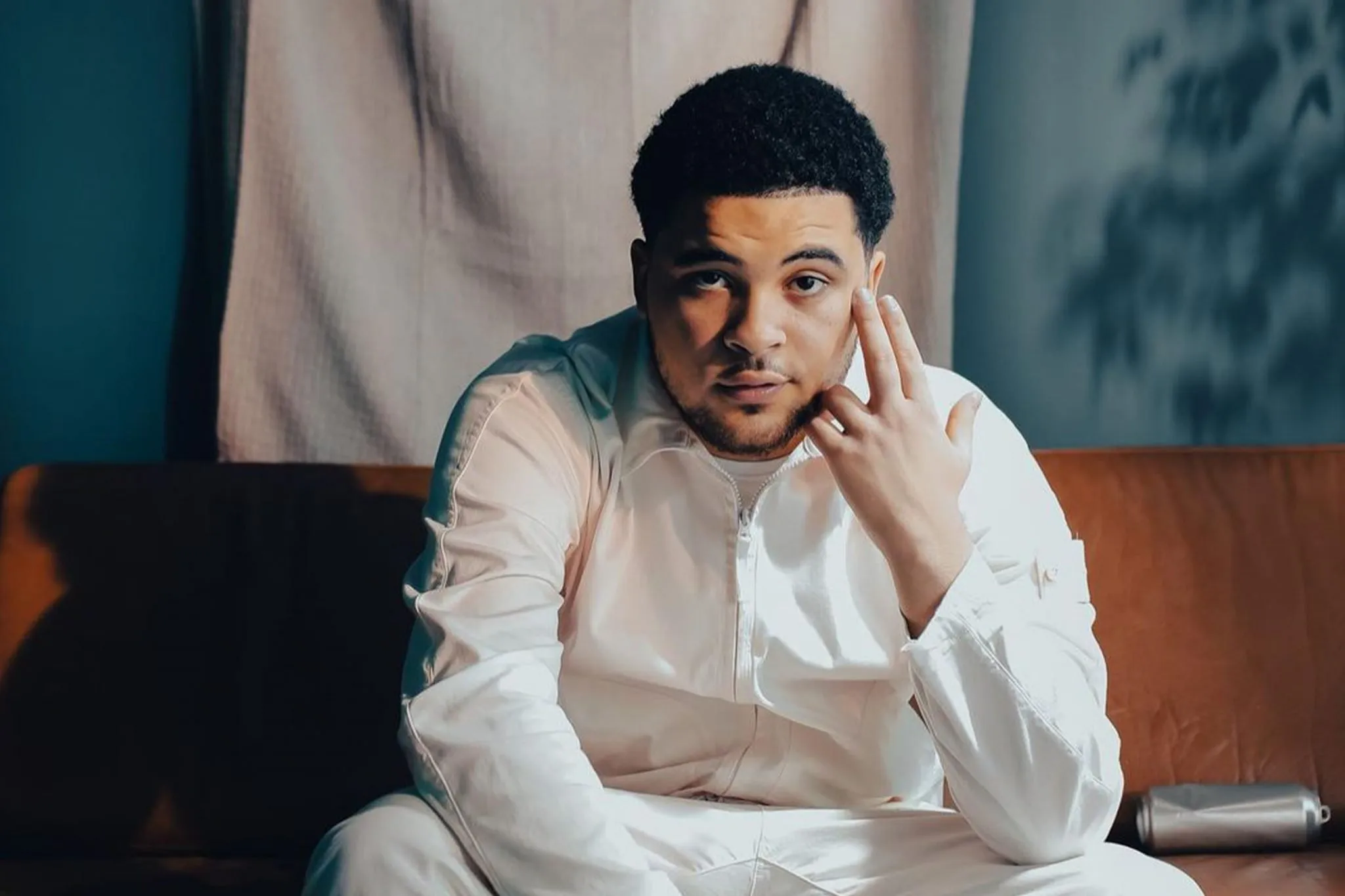
Sasha Keable at MoveGood
The heart of the party, though, came when Sasha Keable took the stage. On record, her voice is smooth and precise; in a room like this, it was something else entirely - velvety, powerful and just rough enough around the edges to feel lived-in. As she moved through her set, the background conversations died down to a low murmur and then disappeared. People turned toward the stage almost in unison, drinks held mid-air, suddenly aware that the night had shifted from networking to an actual performance.
Keable's songs carried the same emotional weight you hear on her releases, but the context magnified everything: a post-BRITs crowd, the city still buzzing from Olivia Dean's wins and Harry Styles' opener, now pulled into a smaller, more intimate orbit. Her set made the after-party feel less like an add-on to the awards and more like the final chapter of the night - the place where all that ceremony energy finally found room to exhale.
One night, a full picture of UK music
Walking back out into the cold just before dawn, ears still ringing and phone full of blurred shots from both the arena and the after-party, it struck me how rare it is for a single night to capture so much of where UK music is right now. Harry Styles offered a glimpse of pop spectacle's next chapter; Olivia Dean cemented herself as the new face of British pop; Mark Ronson stitched together past and present; and at MoveGood, Sasha Keable reminded everyone that the most memorable performances often happen once the cameras have been switched off.
Taken together, it felt like a love letter to the current moment in UK music - one where awards shows, after-parties and first-hand experiences all matter, not as separate worlds but as parts of the same conversation. From the BRITs stage in Manchester to the after-hours glow of MoveGood, 2026's ceremony wasn't just another stop on the calendar; it was a night that made the future of British music feel very close and very real.